Boost Mood and Energy.
Rosemary essential oil is not just for focus—it’s also a natural mood booster. Inhaling rosemary oil has been shown to reduce cortisol levels, which can help combat fatigue and lift your spirits during a midday slump.
Natural Pest Repellent.
Plant rosemary in your garden or keep a pot on your windowsill. Its strong scent helps repel mosquitoes, flies, and other pests. Rosemary essential oil can also be diluted and sprayed as a natural bug repellent.
Improved Oral Health.
Use a rosemary-infused mouth rinse to freshen your breath and fight bacteria. Its antimicrobial properties make it an excellent natural addition to oral hygiene.
Improved Circulation for Cold Extremities.
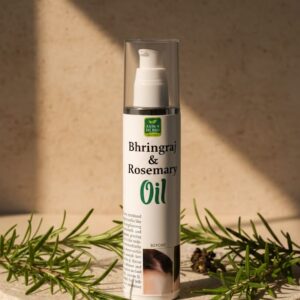
Rosemary oil can be applied (diluted) to hands and feet to stimulate blood flow, making it ideal for people with cold fingers and toes, especially during winter.
Liver Detox Support.
Rosemary contains compounds like rosmarinic acid and carnosol that may support liver health by reducing oxidative stress and promoting detoxification processes. A rosemary tea infusion can be a gentle way to support your liver.
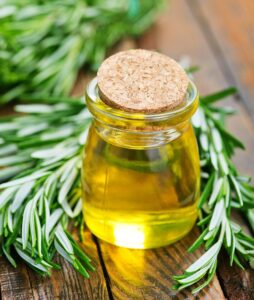
Flavor-infused oils and Vinegar.
Infuse olive oil or vinegar with fresh rosemary sprigs for gourmet flavor enhancements. These are perfect for salads, bread dipping, or marinating meats.
Natural Deodorizer for Shoes.
Place dried rosemary sprigs or sachets in shoes to eliminate odors and keep them smelling fresh. Its antimicrobial properties also help reduce bacteria growth.
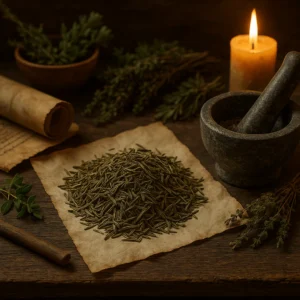
Rare Historical Facts and Cultural Uses.
Symbol of Remembrance and Protection.
In ancient Greece and Rome, rosemary was used in religious rituals and funerals as a symbol of remembrance and protection for the soul.
Warding Off Evil Spirits.
During the Middle Ages, people believed that rosemary placed under pillows could protect against nightmares and evil spirits.
Improved Quality of Stored Food.
Adding rosemary to smoked or cured meats was an ancient practice to extend shelf life and enhance flavor, thanks to its natural antimicrobial and antioxidant properties.
Natural Dye.
Rosemary leaves can be boiled to create a green dye, historically used for textiles or crafts.
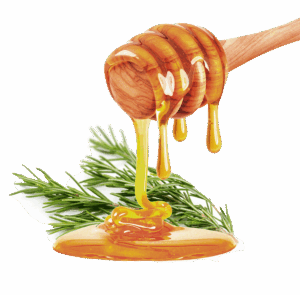
Pro Tip: Try Rosemary Honey.
Infuse honey with fresh rosemary sprigs by placing them in a jar and letting them steep for a couple of weeks. This infused honey is excellent for soothing sore throats, drizzling over desserts, or adding to herbal teas.
These unique ideas and historical tidbits can bring a new dimension to how you view and use rosemary!
Fun Folklore Facts.
Rosemary’s role in folklore adds an enchanting layer to its charm. For example, did you know it was once believed that placing rosemary sprigs under your pillow could ward off nightmares? Moreover, rosemary bushes planted on a wedding day symbolize fidelity and a flourishing relationship. These myths resonate with Emma’s love for storytelling, sparking curiosity and connection among her readers.